САРАДЊА

Yugoslav period of the Sićevo Art Colony

Gračanica Cultural Center
Priština Art Gallery

April 2 - 22, 2026

The rich cultural and historical heritage of the Sićevo region, picturesque landscapes, untouched nature and centuries-old viticulture tradition are a challenge and inspiration for researchers, scientists, artists, and adventurers. Directly above the gorge through which the Nišava River flows between the northern branches of the Suva River and the southern slopes of the Svrljiška Mountains, is located Sićevo, a village with characteristic architecture, a Mediterranean climate, and friendly and sociable hosts. It was the place of the first gathering, residence and work of artists in nature in the Balkans. In Sićevo, the famous painter Nadežda Petrović, driven by patriotism, the ideal of cultural unity and community of the South Slavs, founded the First Yugoslav Art Colony with colleagues from Slovenia and Croatia, the forerunner of today's Sićevo Art Colony.

During the nineteenth century, artists throughout Europe, defying academic clichés, abandoned studios and urban spaces and unitedly returned to nature and rural life. Nadežda Petrović gained her first knowledge of such artistic experiments during her studies with Julius Exter in Germany and during her meeting with Adolf Helzer and Ludwig Dill, representatives of the famous New Dachau colony near Munich, and they undoubtedly convinced the young painter that the art of the flower should be inspired by nature, freedom and the people among whom the artist lives and creates. Two years later, during the First Yugoslav Art Exhibition in Belgrade in September 1904, she presented with particular enthusiasm her idea of ​​establishing the First Yugoslav Art Colony, which increasingly became the subject of conversation at gatherings in the Petrović home.

Just as Nadežda Petrović's work cannot be separated from the context of a pronounced spirit of freedom, the unification of the people, and social and political engagement as a whole, the idea of ​​a colony that should study the interior of Serbia for three months, collecting and recording interesting landscapes, costumes, folk ornaments, types, and scenes from the life of our people, should be viewed through the prism of the historical moment and the national enthusiasm that prevailed after the withdrawal of the Ottomans and the liberation of the country. In the spirit of the emerging new century, the returned territories, the renewal and revival of the country, the south of Serbia began to develop and modernize, a railway connecting Belgrade and Niš passed through the gorge (1884), and the construction of the Sveta Petka hydroelectric power station was planned. In the atmosphere of general progress and industrialization, guided by optimism and impressions of earlier visits to Sićevo, she associated this place with the idea of ​​a colony and in the summer of 1905 made it the Balkan Barbizon. Printed sources reported that on the last day of July, Nadežda Petrović and Fedro Vesel arrived in Sićevo, later Paško Vučetić, Rihard Jakopić and Grohar, and Branko Popović, a painter, art critic, and professor of art history at the Technical Faculty in Belgrade, also stayed there for a few short periods, while the presence of Emanuel Vidović and Ivan Meštrović, who possibly joined later, remains questionable. In support of this, without diminishing the importance of their support, there are statements and statements by the teacher that the painter, whom she had hosted in her home, came to the village with the Slovenes immediately after the end of the school year in early July and that they stayed there until the end of August, only she (Nadežda) stayed for a few more days, until the beginning of September. One of the residents of Sićevo, Blagoje Pavlović, described the artists housed in rural households as sociable and friendly, frequent guests at celebrations, weddings and afternoon carols. Every day, they toured the surroundings and the banks of the Nišava with easels and necessary equipment, and they also visited the more distant Pirot. However, Nadežda was most occupied with paintings and the desire to get to know the surroundings as much as possible.

The exhibition of the Yugoslav Art Colony was organized on January 27, 1907 at the National Museum in Belgrade and, like the colony, was controversially evaluated: from the fact that it displayed works in the most modern genre to a large number of negative reviews, motivated by political reasons or a conflict between the participants of the colony and the Association of Yugoslav Artists Lada. The idea of ​​a reunion in a village in the south of the country, of educational, educational and general cultural significance and role, was not realized due to historical circumstances. The annexation of Bosnia and Herzegovina, the Balkan Wars and the Great War thwarted Nadezhda's conviction that the united Yugoslavs would create their own permanent exhibitions, their own school and their own history of art. That had to wait for another time. However, as a lasting national value, created in contact with the people and nature, Nadezhda's paintings of landscapes and portraits remain, such as The Funeral in Sićevo, Women with a Red Scarf, Two Peasants, then The Girl from Sićevo, Serbia, The Host... In the spirit of impressionism, announcing the emerging expressionism, they introduced Serbia into European artistic trends, so, according to Ljubica Miljković, an art historian, thanks to Nadezhda, and perhaps to a lesser extent to Sićevo, our painting for the first time kept pace with European art and enriched the European artistic treasury with its own unique value.

ima.

These events from the beginning of the century occupy an important place in the history of national art, and Sićevo is mapped as a significant art center. Later, sporadically between the two world wars, predominantly in the 1950s, colonies were founded throughout Vojvodina and Croatia, so, as expected, in Niš, along with economic, socio-economic and cultural development, there was a need, and to some extent an obligation, to restore the legacy that Nadežda Petrovića bequeathed to this area. Artists, journalists, cultural and public workers, gathered in formal bodies, after the initial initiative for its establishment, agreed that, following the example of the First Yugoslav and the values ​​it represented, the new colony should retain the Yugoslav concept, that in addition to the two participants from Niš, two from each republic and one from the province should be invited, that it should be visual in nature, and that its work should include painters, graphic artists, and sculptors. The Sićevo Art Colony was officially founded in 1964 and has been held continuously for over six decades at the end of summer each year.

In addition to working together in a natural environment, exchanging ideas, gaining new experiences and socializing, the beneficial effects of this form of artistic activity were already evident in the first years, as evidenced by numerous events in the city's art life, the interest of the professional public and the media, the more active participation of Niš artists in exhibitions and reviews in the country and abroad, and the affirmation of the local art scene.16 During the first six convocations, 88 works of art were created, which are now the heritage of the National Museum of Niš. Challenges in terms of material, accommodation and organizational problems threatened to thwart the enthusiasm and desire of Niš artists for Sićevo to survive, indicating the necessity of an institution dedicated to nurturing contemporary visual creativity, realizing the colony, forming a fund, caring for the works, their presentation and study. Thus, among other things, thanks to the colony, the Gallery of Contemporary Fine Arts Niš was founded on June 9, 1970. Since then, 560 domestic and foreign artists of different generations and styles have participated in the work of this public city event of an international nature, the work of which is decided by the Council appointed by the City Assembly of Niš. Staying in an authentic rural setting, surrounded by rocks, magical landscapes and sumptuous colors, unlimited in thematic and motif sense, they enriched the institution's collection with 950 paintings, graphics, new media and sculptures, which represent a lasting value and are a significant cultural heritage of the city. With occasional short-lived attempts to introduce innovations such as the participation of art critics, later the function of selectors, and perhaps most importantly – redemption prizes, Sićevo has retained its artistic character. Social and political circumstances, wars and the breakup of the country influenced the concept in terms of the weak response of artists from the former republics, especially Slovenia and Croatia, so that in the 2000s the circle of countries from which participants come was greatly expanded. The celebration of 120 years since the founding of the First Yugoslav Art Colony was an opportunity to gain insight into the rich, carefully formed collection from the 1970s to the present day, to point out the significance of the artistic undertaking of that time and in the context of the wider cultural space, tradition, social and political circumstances, to see its influence on contemporary artistic thinking, understandings of fine arts and echoes in creativity. Accordingly, the concept of the exhibition at the Pristina Art Gallery in Gračanica reflects the idea of ​​unity and Yugoslavism through a selection of paintings and sculptures created during the first thirty or so convocations, i.e. during the existence of Yugoslavia and the participation of artists from the former republics. It is also a period of dynamic developments on the international art scene, which, in addition to classical media, records the existence of several parallel trends, innovative phenomena and interests in abstract, minimal and conceptual art, systemic painting and greater use of contemporary media, photography and video through which authors express personal views, criticize current socio-political reality and point to existential problems. Such tendencies were also present in our country, so that the openness to the world of the 1980s, exhibitions of world art in Belgrade and studio training abroad brought our creators closer to contemporary visual events and trends.

Artists from Serbia, Macedonia, and Slovenia enjoyed the freedom and work under the open sky, so they were encouraged by the surroundings, the Sićevačka landscape, the beauty of the gorge, rocks, and the sumptuous palette of colors, and they wove their own impressions and visual sensations, each in their own unique way, applying individual artistic expression, into their works (Milenko Šerban, Mihajlo Petrov, Stojan Trumić, Čedomir Krstić, Boža Ilić, Stojko Stojković, Miroslav Anđelković, Perica Donkov, Velizar Krstić, Miodrag Protić, Momčilo Antonović, Kosta Bradić, Rada Selaković). For some authors, the rich cultural and historical heritage of this region served as a starting point for research and expression of personal reflections (Ivan Tabaković, Bata Mihailovi

ć), the dialogue of nature with historical and artistic heritage (Mladen Srbinović, Čedomir Vasić, Tomaž Kržišnik) or, by questioning their inner worlds, they introduced a dose of mysticism into idyllic landscapes (Bojan Bem, Ređep Feri) and imaginatively, almost dreamily, indulged in the world of fairy tales and mythology (Radomir Reljić). For some, Sićevo was an opportunity to express their own preoccupation and critical attitude towards social and socio-political circumstances in a new environment, without communicating the impressions of their immediate surroundings (Mića Popović, Zoran Pavlović), a rational and analytical approach in the spirit of new geometry (Stojan Ćelić, Bora Iljovski, Borko Lazeski) or expressive representations of the experienced (Velizar Krstić, Petar Mazev).

Like painting, the development of sculptural thought in our country in the second half of the twentieth century, marked by the diffusion of styles, the application of technological discoveries and the introduction of new materials into sculptural practice, was in line with the then circumstances in the world and in terms of the stylistic and formal division into figurative and abstract, or associative sculpture, with the parallel existence of numerous subgroups and sub-trends, it followed global trends.18 This, taking into account the fact that the Gallery's Collection of Contemporary Sculpture, with mainly represented works by artists from the former republics, provides a modest contribution to the understanding of the development of various phenomena in sculpture in these regions, is evidenced by the exhibited works by sculptors from Serbia, Bosnia and Herzegovina and Slovenia, created during the 1970s and 1980s. Forming mainly in traditional materials, within the framework of figuration, they found their expression in classical anatomical (Aleksandar Šakić, Viljem Jakopin) or archetypal forms (Nikola Antov), ​​skillfully combining forms within the framework of geometric stylization (Momčilo Krković) or suggestively breaking down the classical view of sculpture while experimenting with more contemporary materials (Olga Milić) to the display of reduced associative forms (Ivan Felker, Dušan Donkov, Nikola Njirić).

This exhibition provides an insight into a smaller part of the collection of the SLU Niš Gallery, valuable in artistic, historical and aesthetic terms, formed thanks to the Sićevo Art Colony until the 2000s. It indicates the layered movements in art of the second half of the twentieth century and bears witness to new phenomena, contemporary aspirations and modern tendencies. Heterogeneous in visual expression, research approaches and reflections, in the context of the time and environment in which they were created, without limitations in the thematic and motif sense, the presented works depict individual artistic styles, narrative codes, transposed attitudes and interests. Given the scope and continuous enlargement, diversity in terms of the generational affiliation of the authors, the environments they come from, the media they cultivate, the ideas and themes that occupy them, the Sićev collection, in the light of current developments in visual art, provides an opportunity for various types of curatorial studies, analyses and comparisons. By presenting paintings and sculptures by prominent protagonists of the Yugoslav art scene, the impact of the unique cultural space and the importance that the Sićevci colony, which arose from the achievements of the First Yugoslav Art Colony, had in the second half of the twentieth century, has been seen to some extent. Its noble mission and value oblige us to preserve tradition, carefully select participants, adequately care for and preserve exhibits, and create opportunities for their presentation on a larger scale.

Emilija Ćoćić Bilić, Senior Curator


Art Colony Sićevo – Tradition that unites us / Novi Grad

An exhibition of paintings and sculptures from the Sićevo Art Colony – Tradition that unites us – has opened in the gallery of the JU “KOC” in Novi Grad, organized by the Novi Grad Cultural and Educational Center.
The Sićevo Art Colony is considered the oldest Serbian and Yugoslav art colony, as well as a kind of chronicle of artistic movements in Serbia in the 20th century. Founded 120 years ago in the village of Sićevo, at the initiative of the famous Serbian painter Nadežda Petrović, more than 400 painters from all over the former Yugoslavia and abroad have passed through the Sićevo Colony, and the audience in Novi Grad will have the opportunity to see the works of: Miodrag Mića Popović, Stojan Ćelić, Ivan Tabaković, Ivan Felker, Viljem Jakopin and other significant authors.

Writing about the value of the Sićevo Art Colony, Emilija Ćopić Bilić points out that the exhibition bears witness to complex movements in art of the second half of the 20th century.
“The exhibition of the Sićevo Art Colony – Tradition that unites us – through the selection of works provides insight into a part of the collection of the SLU Niš Gallery, valuable in artistic, historical and aesthetic terms, formed thanks to the Sićevo Art Colony up to the year 2000,” wrote Bilić.

The exhibition “Tradition that unites us” was opened by the mayor of the municipality of Novi Grad, Miroslav Drljača, emphasizing that the exhibited works represent classics that, in a certain way, shaped the development of painting in Serbia, but also in the wider Yugoslav space.

“The Sićevo colony is one of the oldest colonies in the former Yugoslavia, and these are works that can interest all citizens of Novi Grad,” said Drljača.
The director of the Novi Grad Cultural and Educational Center, Mirjana Drljača, also spoke in the program part of the exhibition, emphasizing that the exhibition is part of the Days of Serbia in the Republika Srpska project and that it was previously exhibited in the Prijedor “Sreten Stojanović” Gallery.

“17 paintings and eight sculptures from the collection of the Sićevo Art Colony are on display. The exhibition provides an anthological overview of Yugoslav painting in the second half of the 20th century,” she emphasized.
Art theorist Daria Vujasin pointed out the great historical, but also contemporary relevance of this oldest Serbian art colony.

"Tonight we have the opportunity to go back in time and see what modernity meant in Serbia in the second half of the 20th century and to see in some way what is similar from that period in today's contemporary art."

The exhibition of works by the Sićevo Art Colony - Tradition that unites us - is organized as part of the Days of Serbia event in the Republika Srpska, and will be on display in the gallery of the Cultural and Educational Center in Novi Grad from December 17 to January 29.


EXHIBITION ART COLONY SIĆEVO - TRADITION THAT BRING US TOGETHER / GALLERY SRETEN STOJANOVIĆ PRIJEDOR

DAYS OF SERBIA EVENT IN REPUBLIC OF SERBIA

EXHIBITION ART COLONY SIĆEVO - TRADITION THAT CONNECTS US

GALLERY SRETEN STOJANOVIĆ PRIJEDOR, NOVEMBER 14 - DECEMBER 12

At the initiative of the Ministry of Culture of the Republic of Serbia, the event Days of Serbia in Republika Srpska this year will connect two cities and two cultural institutions - the Gallery of Contemporary Fine Arts Niš and the Gallery Sreten Stojanović Prijedor. The exhibition "Art Colony Sićevo, a Tradition that Unites Us - A Selection of Works from the Fund of the State Gallery of the Republic of Niš", which will be officially opened on Friday, November 14 at 7 p.m. at the Sreten Stojanović Gallery in Prijedor, will mark the beginning of institutional cooperation and exchange, which will contribute to strengthening cultural ties in the region.

In 2025, the Gallery marks 120 years since the founding of the First Yugoslav Art Colony, the predecessor of today's Art Colony Sićevo. The first recorded gathering of artists in the Balkans in a village near Niš at the beginning of the last century and working in nature was initiated by our famous painter Nadežda Petrović. Although the idea of ​​staying and creating in the open air every summer was not realized due to historical circumstances, the founder of Serbian modernism, a patriot dedicated to national ideals, and her colleagues from her Munich school days, supporters of the cultural unification of the South Slavic peoples, left a significant legacy to this part of the country by coming to the south of Serbia.

Only six decades later, following the example of the First Yugoslav, was the Sićevo Art Colony founded and has been held continuously at the end of summer every year since then. So far, 545 authors from the country and abroad have participated in its work, enriching the institution's collection with 912 works, which represent lasting value and are a significant cultural heritage of the city.

The anniversary is an opportunity to gain insight into the rich, carefully formed collection from the 1970s to the present day, to point out the significance of the artistic undertaking of that time and, in the context of the wider cultural space, tradition, social and political circumstances, to examine the influence of the first colonial gathering on contemporary artistic reflections, understandings of fine arts and echoes in creativity. Accordingly, the concept of the exhibition at the Sreten Stojanović Gallery in Prijedor reflects the idea of ​​unity and Yugoslavism through a selection of paintings and sculptures created during the first thirty convocations, i.e. during the existence of Yugoslavia and the participation of artists from the former republics.

The exhibition Art Colony Sićevo - Tradition that unites us, by Emilija Bilić, senior curator, through a selection of works, provides insight into a part of the collection of the SLU Niš Gallery, valuable in artistic, historical and aesthetic terms, formed thanks to the Art Colony Sićevo until the 2000s. It points to the layered movements in art of the second half of the twentieth century and testifies to new phenomena, contemporary aspirations and modern tendencies. Heterogeneous in visual expression, research approaches and reflections, in the context of the time and environment in which they were created, without limitations in the thematic and motif sense, the presented works depict individual artistic styles, narrative codes, transposed attitudes and interests. Given the scope and continuous expansion, the diversity in terms of the authors' generational affiliation, the environments they come from, the media they cultivate, the ideas and themes that occupy them, the Sićev collection, in the light of current developments in visual art, provides an opportunity for various types of curatorial studies, analyses and comparisons. By presenting paintings and sculptures by prominent protagonists of the Yugoslav art scene, the work of a unique cultural entity and the significance that the Sićevci Colony, which originated from the achievements of the First Yugoslav Art Colony, had, has been seen to a certain extent. Its noble mission and value oblige us to preserve tradition, careful selection of participants, adequate care and preservation of exhibits, as well as creating opportunities for their presentation on a larger scale.

The exhibition will be open to the public until December 12.


Exhibition of Fine Artists of Niš - selection of works from the collection of the Academy of Fine Arts of Niš / Gallery "Čedomir Krstić" Pirot

The exhibition "Artists of Niš - a selection of works from the collection of the Gallery of Contemporary Fine Arts Niš" has opened at the "Čedomir Krstić" Gallery in Pirot, by Emilija Bilić, senior curator.

By presenting the works of Niš artists in Pirot, the two cultural institutions continue their long-standing fruitful inter-institutional cooperation, this time offering the audience of the Pirot region the opportunity to learn about the creativity and individual development path of artists whose origins or work biographies are linked to this region.

The focus on this topic was motivated by the intention to highlight the valuable contribution of women in the field of visual arts, but also by the personality, work and social engagement of Nadežda Petrović, a famous painter who 120 years ago founded the First Yugoslav Art Colony in the village of Sićevo, not far from Niš, the forerunner of today's Art Colony Sićevo. It is precisely thanks to the Sićevo Colony, the Graphic Workshop, purchases and gifts from individual and collective exhibitions that the GSLU collection contains one hundred works by forty authors of different generations, stylistic orientations and artistic practices, which are a significant cultural heritage of the city.

Building their professional identity, women artists have mostly remained faithful to the medium of painting, drawing and graphics, with only a few sculptures being represented, with a noticeable lack of interest in research in the field of new media and photography. Heterogeneous in visual expression, approaches and reflections, within a given chronological framework, the works testify to movements in the art of southeastern Serbia, the openness of the environment to new phenomena and contemporary aspirations, and provide the possibility of comparison in a local and broader context.

Through the narratives and poetics represented, the exhibition depicts diversity and presents female artists as active actors on the scene, who were stimulated by intense events and changes in the visual arts, with the undoubted influence of heritage and tradition, remaining consistent with their style and vocabulary, following prevailing trends, willingly applying new knowledge, researching and experimenting with techniques and materials. Compared to the number of male painters, graphic artists, and sculptors, there is a small number of academically educated female artists who have created in this environment, but taking into account the multiple roles of women in society and life in general, along with the need for self-realization, their contribution to the cultural sphere is valuable.

It is realistic to expect that Niš female authors will soon, with the opportunities offered by modern technologies and scientific achievements in the field of art, along with communication and exchange with other cultural spaces, step into the world of new media, and that subsequent analyses and presentations will also include such types of research.

It is encouraging that interest in fine arts as a future calling is increasingly present, and that this environment gives birth to new generations of young authors every year, whose works and engagement will one day, as part of the GSLU collection, encouraged by this, be the subject of new reflections and studies.

The exhibition will be open until November 27, 2025.


An exhibition of graphics created at the Graphic Workshop in Sićevo from 2022 to 2024 is on display at the "Methods of Meta Petrov" Gallery in Dimitrovgrad.

The Gallery “Metodi Meta Petrov” in Dimitrovgrad will host an exhibition of prints created at the Graphic Workshop in Sićevo from 2022 to 2024.

October 28 - November 26, 2025

In 2005, the Gallery of Contemporary Fine Arts Niš celebrated the centenary of the Sićevo Art Colony, the first Yugoslav colony founded by the Serbian heroine and painter Nadežda Petrović. That same year, preparations began for the establishment of the Graphic Workshop, which would bring together exclusively artists who are graphic artists by profession or who cultivate graphics as a separate art discipline in their professional work. The first creators gathered in the spring of 2006 in a beautiful village near Niš, on the slopes of the Sićevo Gorge. The picturesque nature enchanted the artists, so they wove this divine nature into a graphic sheet. Just a few years later, in 2008, the Graphic Workshop gained an international character. Over ninety artists from Serbia, Montenegro, Macedonia, Slovenia, Bulgaria, Poland, Italy, Belgium, Denmark, Canada, Mexico, and America worked in Sićevo. By popularizing the graphic medium, this type of residency brings together significant names from both the Serbian and international art scenes, but also follows the development of young authors from the graphic world. The Graphic Workshop collection now includes over 200 graphic sheets, in various techniques and styles. Most of the artists created in the spirit of their already established artistic expression, and therefore we inherit works of diverse graphic techniques, styles, and orientations. The works created in the graphic colony were exhibited in Prokuplje, Leskovac, Valjevo, Pirot, Sofia, Kotor, Dimitrovgrad, in addition to Niš.

In the period from 2022 to 2024, three gatherings of graphic artists from Serbia, Italy, Slovenia, Belgium, America, and France were held. The participants of these three gatherings are of different generations, come from different environments and cultures, each of them has an already established artistic style and language. They acquired their education in the field of

art at different Academies, however, working in the workshop preparing matrices, etching plates, and screen

prints, and exchanging experiences brought them all together with the aim of creating a unique graphic sheet. Many of them were in Sićevo for the first time, so exploring the natural beauty of the surroundings as well as cultural and historical landmarks was additionally inspiring, which is noticeable in the realized works. The participation of Slovenian graphic artists, thanks to the wholehearted support of the Slovenian Embassy in Belgrade, confirmed the centuries-old cooperation

of artists from these areas and the unbreakable bond between the Slavic peoples that began back in 1905. Contemporary graphics transcend traditional frameworks, and the works created at this workshop confirm that graphics can expand the established principles and structure of the graphic sheet itself. Staying and working with contemporary graphic artists like our participants leads us to the conclusion that each of them has their own unique not only visual language, but also the entire process of creation, adhering to a personal recipe

in order to obtain specific effects. So they experiment not only with the technical process, but also with the ideological postulates of the graphic medium itself. Each subsequent convocation is interesting again and again, the number of artists staying

in Sićevo is increasing, good experiences, pleasant memories of staying in our workshop are heard further and louder, which gives us as organizers a special incentive that we are on the right track and that the mission called Graphics has been fulfilled.

20 - 27 June 2022

The participants of this convocation were:

Oliver Pilić from Slovenia, Helena Tahir from Slovenia, Aleksandar Botić from Novi Sad, Lidija Krnjajić from Novi

Sad, Nikola Milanov from Niš.

5-11.2023.

The participants of this convocation are:

Roman Kušar from Belgium, Mitja Stanek from

Slovenia, Dunja Nedeljković from Italy,

Lidija Srebotnjak Prišić from Novi

Sad, Danilo Paunović from Niš.


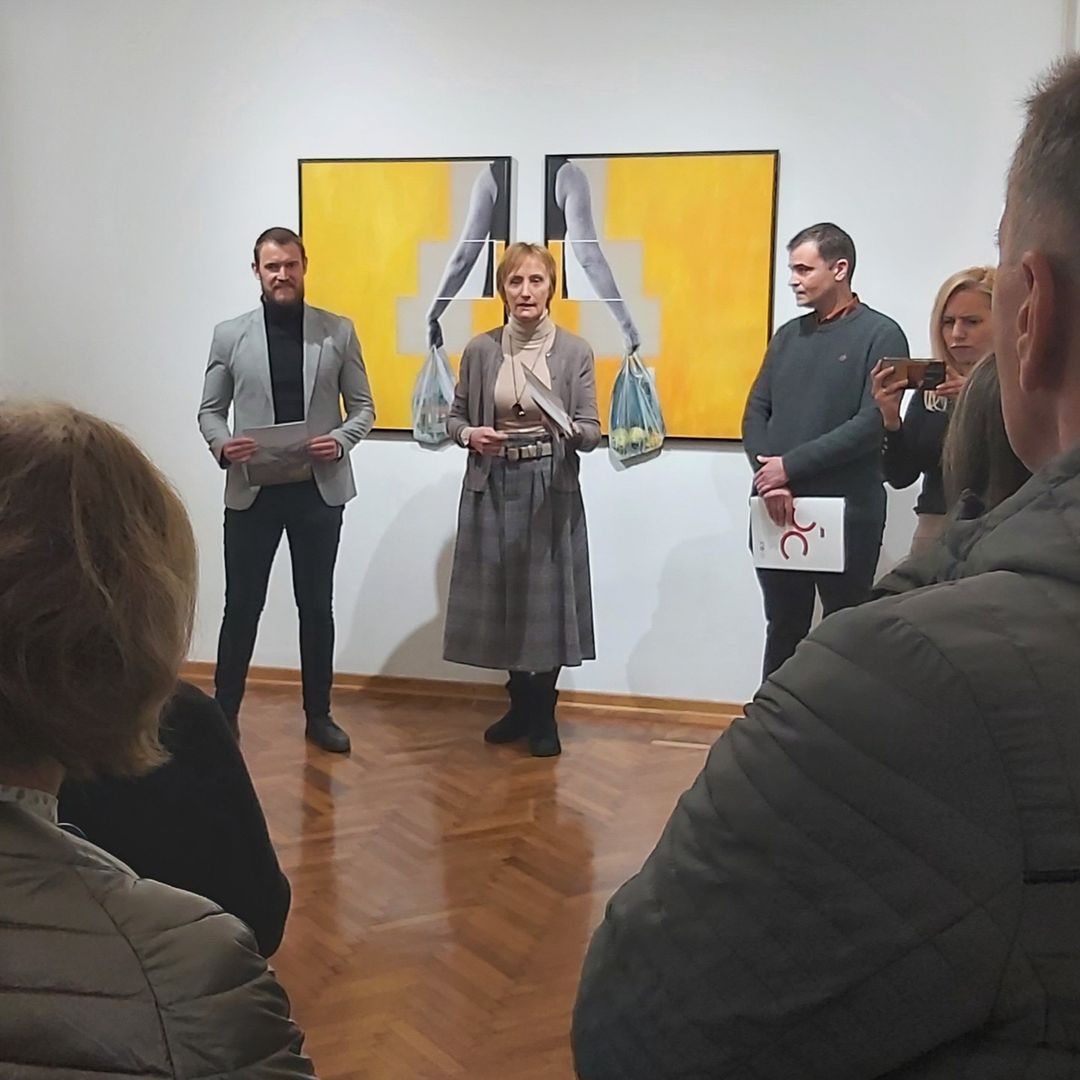
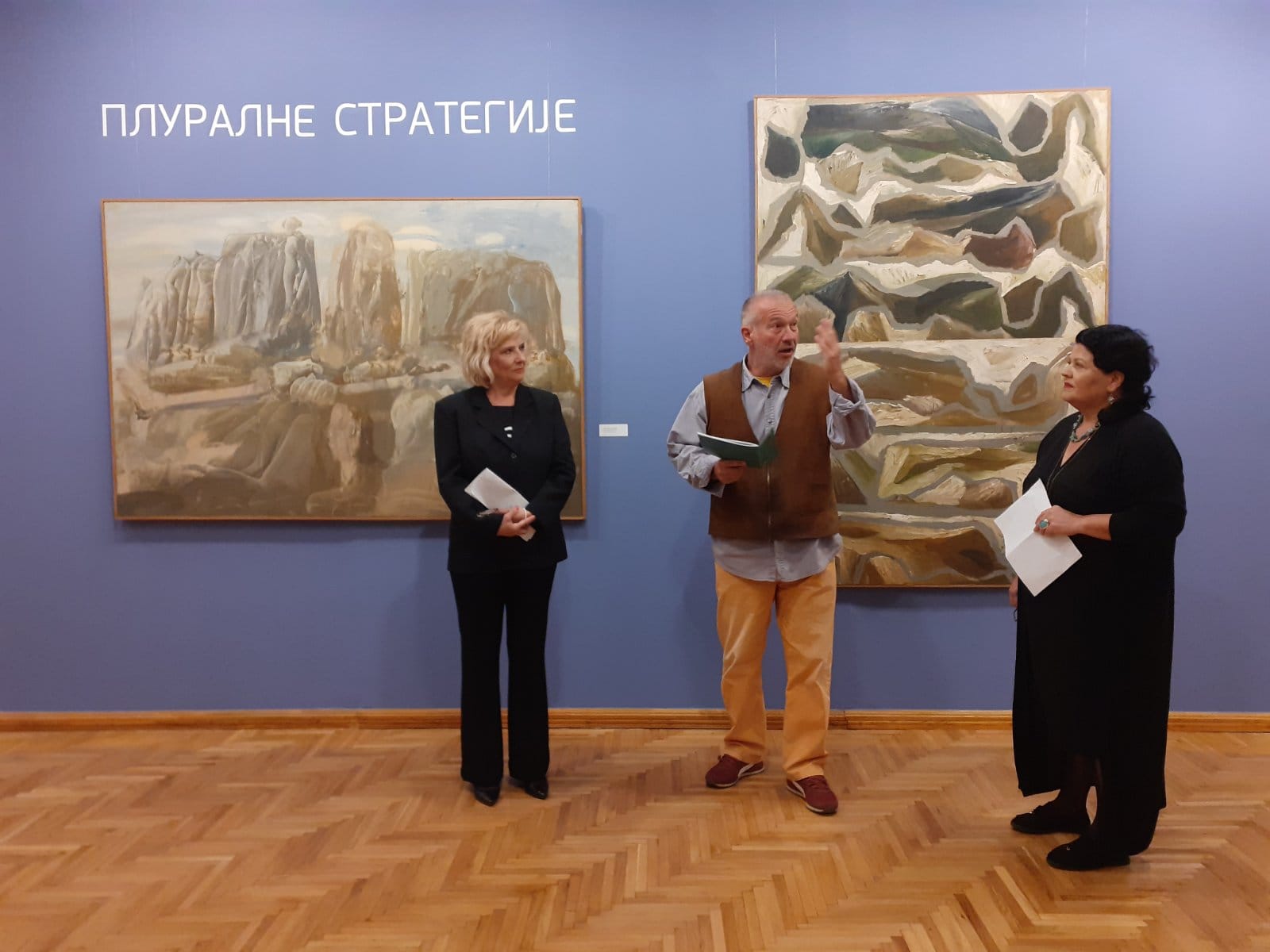
EXHIBITION YUGOSLAV PERIOD OF THE ART COLONY SIĆEVO - SELECTION OF WORKS FROM THE GSLU NIS FUND

This year marks the 120th anniversary of the founding of the First Yugoslav Art

Ethnic Colony. The founder of Serbian modernism, the famous painter Nadežda Petrović, and her colleagues from her Munich school days, gathered around the idea of ​​cultural unification of the South Slavic peoples, by coming to a village in southern Serbia and working in the open air, they left a significant legacy for this part of the country. The idea of ​​an artist’s stay in Sićevo every summer did not take root, so it was renewed under the name of the Sićevo Art Colony six decades later and has been continuously held since then to this day. 545 domestic and foreign authors of different generations and styles participated in the work of this now public city event, who enriched the Gallery’s collection with 912 paintings, graphics, new media and sculptures. These works represent a lasting value and are a significant cultural heritage of the city.

The anniversary is an opportunity to gain insight into the rich, carefully formed collection from the 1970s to the present day, to point out the significance of the artistic undertaking of that time and, in the context of the wider cultural space, tradition, social and political circumstances, to examine the influence on contemporary artistic thinking, understandings of fine arts and echoes in creativity. The concept of the exhibition in gallery 73 reflects the idea of ​​unity and Yugoslavism through the selection of paintings and sculptures created during the existence of Yugoslavia and the participation of authors from the former republics. The artists enjoyed the freedom and work under the open sky, so they were encouraged by the surroundings, the Sićevačka landscape, the beauty of the gorge, the rocks, and the sumptuous palette of colors, general impressions and visual sensations, each in their own unique way, applying individual artistic expression, they woven into their works (Milenko Šerban, Mihajlo Petrov, Stojan Trumić, Čedomir Krstić, Boža Ilić, Stojko Stojković, Miroslav Anđelković, Perica Donkov, Velizar Krstić, Miodrag Protić, Momčilo Antonović, Kosta Bradić, Rada Selaković). Some authors used the rich cultural and historical heritage of this region as a starting point for research and expression of personal reflections (Ivan Tabaković, Bata Mihailović), the dialogue between nature and historical and artistic heritage (Mladen Srbinović, Čedomir Vasić, Tomaž Kržišnik), or by questioning their inner worlds, they introduced a dose of mysticism into idyllic landscapes (Bojan Bem, Ređep Feri), and imaginatively, almost uninhibitedly, indulged in the world of fairy tales and mythology (Radomir Reljić). For some, Sićevo was an opportunity to express their own preoccupation and critical attitude towards social and socio-political circumstances in a new environment, without communicating the impressions of their immediate surroundings (Mića Popović, Zoran Pavlović), a rational and analytical approach in the spirit of new geometry (Stojan Ćelić, Bora Iljovski, Borko Lazeski) or expressive representations of the experienced (Velizar Krstić, Petar Mazev).

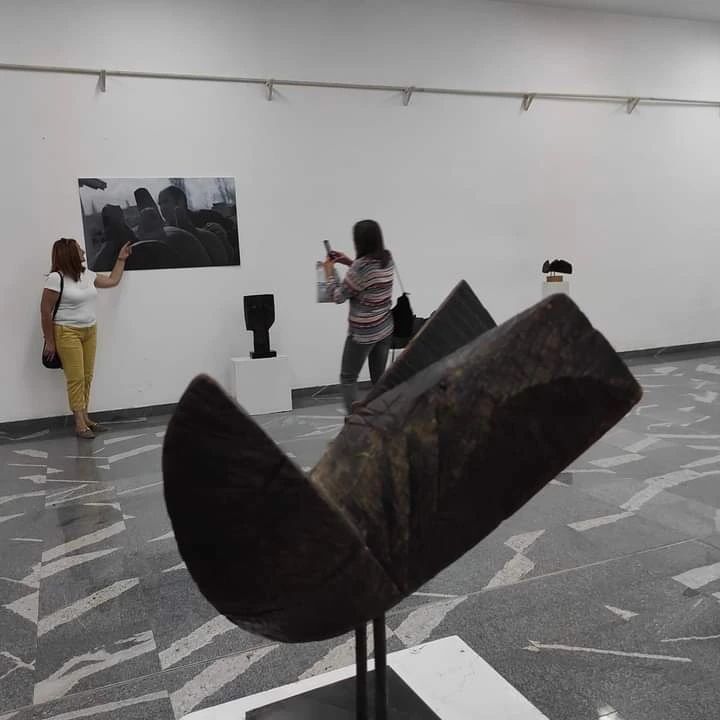
The exhibition presents the sculptor’s works created during the 1970s and 1980s. Forming mainly in traditional materials, within the framework of figuration, they found their expression in the classical anatomical form (Aleksandar Šakić, Viljem Jakopin) or archetypal form (Nikola Antov), ​​skillfully combining forms within the framework of geometric stylization (Momčilo Krković) or suggestively breaking down the classical view of sculpture while experimenting with more contemporary materials (Olga Milić) to the depiction of reduced associative forms (Ivan Felker, Dušan Donkov, Nikola Njirić). By presenting paintings and sculptures by prominent protagonists of the Yugoslav art scene, the impact of the unique cultural space and the importance that the Sićevačka colony, which originated on the achievements of the First Yugoslav Art Colony, had, was to some extent perceived. Its noble mission and value oblige us to preserve tradition, carefully select participants, adequately care for and preserve exhibits, and create opportunities for their presentation on a larger scale.

June 19 – July 1, 2025


Exhibition of Fine Artists of Niš - selection of works from the collection of the Academy of Fine Arts of Niš

Exhibition of Fine Artists of Niš - a selection of works from the collection of the Gallery of Contemporary Fine Arts Niš

Herzegovina Museum in Trebinje, 4 - 24 June 2025

On Wednesday, 4 June, the Museum of Herzegovina in Trebinje opened the exhibition of Fine Artists of Niš - a selection of works from the collection of the Gallery of Contemporary Fine Arts Niš, authored by Emilija Bilić, senior curator. By presenting the works of Niš artists in Trebinje, the two cultural institutions are starting an inter-institutional cooperation, and it will also be an opportunity for the public of this region, based on the selected works, to get acquainted with the creativity, individual development path of the artists and gain insight into the art scene of the city.

The focus on this topic was motivated by the intention to highlight the valuable contribution of women in the field of visual arts, but also by the personality, work and social engagement of Nadežda Petrović, a famous painter who 120 years ago founded the First Yugoslav Art Colony in the village of Sićevo, not far from Niš, the forerunner of today's Sićevo Art Colony. It is precisely thanks to the Sićevo Colony, the Graphic Workshop, purchases and gifts from solo and collective exhibitions that the GSLU fund represents one hundred works by forty authors of different generations, stylistic orientations and artistic practices, which are a significant cultural heritage of the city.

Building their professional identity, women artists have mostly remained faithful to the medium of painting, drawing and graphics, with only a few sculptures being represented, with a noticeable lack of interest in research in the field of new media and photography. Heterogeneous in visual expression, approaches and reflections, within a given chronological framework, the works testify to movements in the art of southeastern Serbia, the openness of the environment to new phenomena and contemporary aspirations, and provide the possibility of comparison in a local and broader context.

With the narratives and poetics represented, the exhibition depicts diversity and presents artists as active actors on the scene, who, stimulated by intense events and changes in fine arts, with the undoubted influence of heritage and tradition, while remaining consistent with their style and vocabulary, followed prevailing tendencies, gladly applied new knowledge, researched and experimented with techniques and materials. Compared to the number of male painters, graphic artists, and sculptors, there is a small number of academically educated female artists who have created in this environment, but taking into account the multiple roles of women in society and life in general, along with the need for self-realization, their contribution to the cultural sphere is valuable.

It is realistic to expect that female artists from Niš will soon, with the opportunities offered by modern technologies and scientific achievements in the field of art, along with communication and exchange with other cultural spaces, step into the world of new media, and that subsequent analyses and presentations will also include such types of research.

It is encouraging that interest in fine arts as a future calling is increasingly present, and that this environment every year gives birth to new generations of young female artists, whose works and engagement will one day, as part of the GSLU collection, encouraged by this, be the subject of new reflections and studies.

The exhibition will be open to the public until June 24th.


FEMALE ARTISTS OF NIS - A SELECTION OF WORKS FROM THE COLLECTION OF THE SLU GALLERY NIS

FINE ARTISTS OF NIS - A SELECTION OF WORKS FROM THE COLLECTION OF THE SLU GALLERY OF NIS

MMC Gallery Novi Pazar, April 4 - 18, 2025

Since its founding in 1970, the Gallery of Contemporary Fine Arts Niš has been dedicated to nurturing contemporary creativity, and thanks to the careful collection, preservation, protection, study and presentation of works of domestic and foreign art, the institution today has a valuable collection of around two thousand exhibits in the visual, aesthetic and historical sense, classified into five collections. A significant part of the fund are the works of fine artists from Niš, which provide insight into the trends and multi-layered changes in the visual scene of this region, and are the subject of study by curators, so far based mainly on analysis in the thematic - motif or stylistic - media sense. This Collection includes one hundred works by forty artists of different generations, styles and artistic practices, who live and create or are connected to this region by origin or work biography. The collection is enriched with these exhibits, the city's precious cultural heritage, gifts and purchases from solo or collective exhibitions and the participation of authors in residency programs, convocations of the Sićevo Art Colony and the Graphic Workshop.

Dealing with this topic was encouraged by the intention to point out the valuable contribution of Niš's female artists over the last five decades, but also by the personality, work and social engagement of Nadežda Petrović, the famous painter who 120 years ago founded the First Yugoslav Art Colony in the village of Sićevo, not far from Niš, the forerunner of today's Sićevo Art Colony.

From the very beginning, the gallery has strived to follow and support the work of artists of different ages, from the very young, through artistically formed representatives of the middle generation, to already established, prominent protagonists with rich careers, members of the Association of Fine Artists of Serbia (ULUS), winners of awards and significant recognitions for their work. Some of them studied or advanced abroad, achieved significant results in international settings, and a certain number of them are dedicated to pedagogical work at the Faculty of Arts, the Art School or in related educational institutions.

The works of Niš female artists represented in the GSLU collection have so far been exhibited mostly individually, at solo or collective exhibitions, published in catalogs or monographs, but never presented as a whole. Heterogeneous in visual expression, approaches and reflections, within a given chronological framework, they depict movements in the art of southeastern Serbia, the openness of the environment to new phenomena and contemporary aspirations and as such provide the possibility of comparison in a local and wider context.

Whether they expressed their emotions, inner feelings and experiences of the world around them through the medium of graphics, painting or combining materials, the motif of nature prevails in their works, which can be attributed to the fact that most of them were created during their stay in the colony. The painters, like Nadežda Petrović, enjoyed the freedom of creation under the open sky, and, unrestricted in terms of themes and motifs, consistent with their own artistic vocabulary and poetics, they transferred their visual sensations and impressions of the environment to the canvas. In addition to the Sićevo landscape, the gorge through which the Nišava River flows, rocks, mountain ranges and rich vegetation, they have woven into their works the impressions of their stay, the atmosphere of working in the colony, visiting the monastery and its surroundings, the acquaintances they made and socializing with the hospitable inhabitants. The artists were also inspired by the characteristic architecture of Sićevo, the village houses, and the life of people in rural and sparsely populated areas. In recent years, the participants of the Graphic Workshop have enriched the collection with interesting observations and new, current content.

The authors also recognized the starting point for their artistic research in the dialogue with the past and the rich cultural and historical heritage of this region. Relying on the traditions of medieval painting and the spiritual heritage of Byzantium, reducing visual elements to symbols or signs, giving them sublime, spiritual meanings, they created a special visual expression that seems spatially and temporally boundless.

Some artists, inspired by delicate creative energy and a constant need for novelty in their work and experimentation with materials, transformed their recognizable poetics into highly abstract compositions of simple, clean, systematically shaped surfaces and minimalist lines, leaving the viewer with the opportunity for emotional identification, analysis of inner worlds and the formation of irrational spaces.

Building their professional identity, the authors remained faithful to the medium of painting, drawing and graphics, while interest in sculpture is noticeable in a very small number of artists, mostly up to the year 2000. In three-dimensional shaping, they cultivated a complex, figurative approach, built classical, anatomical forms with specific processing of materials and gradually, in accordance with the trends of the time, introduced modern expression into their artistic practice. Unfortunately, in the last two decades, the collection has not been enriched with new works by female sculptors.

Taking into account the current moment, the possibilities of modern technologies and the influence of scientific achievements in the field of artyou, and contact and exchange with other cultural spaces, it is realistic to expect that Niš female artists will soon step into the world of new media, and that subsequent analyses and presentations will also include such types of research.

The exhibition at the MMC Gallery is an opportunity for the audience in Novi Pazar, based on a selection of works, to get acquainted with the creativity, individual development path of Niš female artists and gain insight into the city's art scene. With the narratives, poetics and approaches represented, it depicts diversity and presents them as active actors, who are stimulated by intense events and changes in visual art, with the undoubted influence of heritage and tradition, while remaining consistent with their artistic style and vocabulary, and are open to new knowledge, the influence of contemporary trends and tendencies. Compared to the number of male painters, graphic artists, and sculptors, there is a small number of academically educated female artists who have created in this environment, but taking into account the multiple roles of women in society and life in general, along with the need for self-realization, we must emphasize that their contribution to the cultural sphere is valuable.

It is encouraging that interest in fine arts as a future calling is increasingly present, and that this environment every year gives birth to new generations of young female authors, whose works and engagement will one day, as part of the GSLU collection, encouraged by this, be the subject of new reflections and studies.

Emilija Ćoćić Bilić


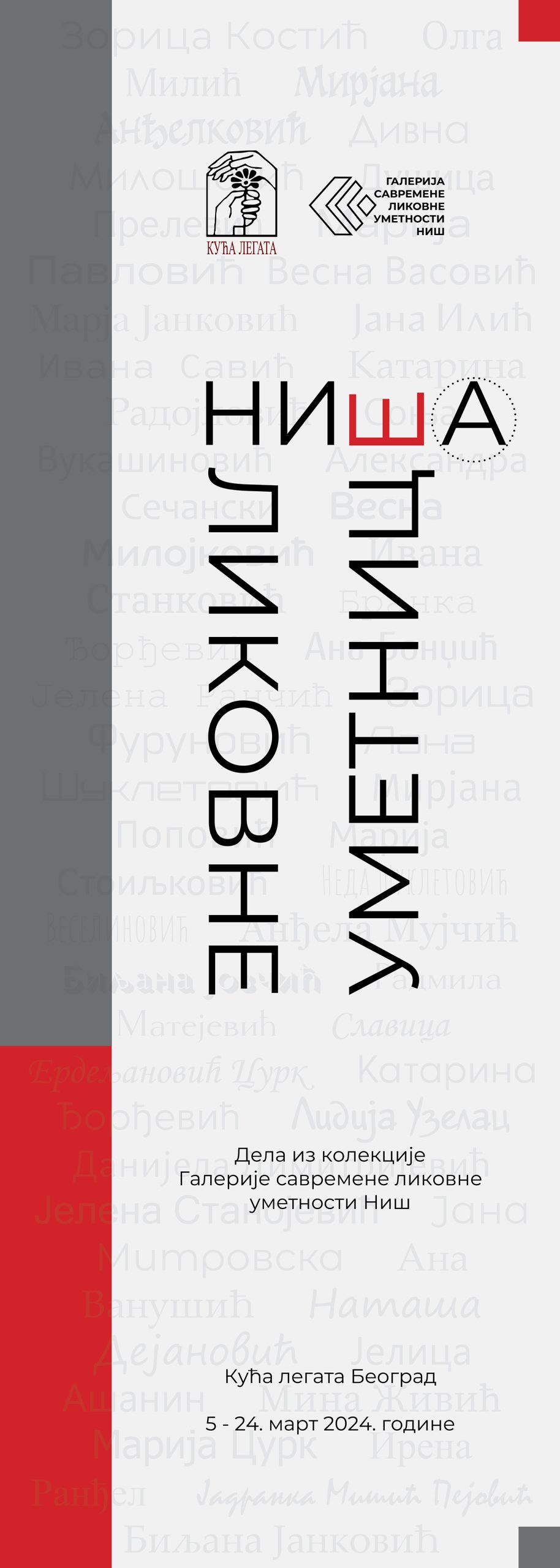
Ликовна колонија Сићево 2022. и 2023. / Уметничка галерија Крушевац

Ликовна колонија Сићево 2022. и 2023. из Фонда Галерије савремене ликовне уметности Ниш
Четвртак, 14. март 2024. у 19 ч
Уметничка галерија, Мајке Југовића 12, Крушевац

Приређивање изложбе дела насталих у оквиру рада два сазива Ликовне колоније Сићево, 2022. и 2023. године, у Уметничкој галерији у Крушевцу, пада у години у којој се бележи 60 година од обнављања рада ове најстарије ликовне колоније у Србији, и у којој се сустичу неколико јубилеја. Наиме, у тек протеклој години низом изложби и манифестација обележено је 150 година од рођења најзначајније српске уметнице Надежде Петровић, сликарке, фотографкиње, хуманисте, ратне болничарке, активисткиње за социјална, друштвена и женска права, чијим је залагањем на окупљању сликара вођених јужнословенском идејом, поред организације изложби и оснивања ликовних удружења, у селу Сићеву надомак Ниша 1905. године, утемељена прва ликовна колонија. Већ, наредна година, 2025. бележи, поред 110 година од смрти Надежде Петровић, и 120 година од оснивања Ликовне колоније Сићево, данас међународног карактера.

„Галерија савремене ликовне уметности Ниш је од свог оснивања 1970. године носилац рада Колоније, кроз послове непосредне организације годишњих сазива, чувања, заштите, проучавања и презентације дела насталих у оквирима њених одржавања. Бележећи динамичне промене (претежно) у домаћој уметности од седамдесетих година до данас, 909 уметничких дела, 532 аутора, у колекцији Галерије СЛУ прибављено је кроз ову манифестацију. На основу квалитета дела и њихове референтности у оквирима опуса аутора, мора се приметити да су и водеће личности ових кретања осећале личну и професионалну одговорност према историјској важности места у које су дошли да стварају, те према манифестацији која негује сећање на догађаје и личности које су га обележиле...
Шездесет одржаних годишњих сазива и изложба 59. и 60. сазива Ликовне колоније „Сићево“ разлог су сажетог подсећања на њено оснивање. Ово је друга изложба Колоније у досадашњој пракси установе којом се обједињују дела два сазива. Наиме, пандемијске околности 2020. и 2021. године навеле су на овај искорак, који је резултирао програмом који атрактивније и примереније одражава дисперзивност уметничког тренутка, нешто ширим увидом у разноликости мишљења дела. ...
Трајан допринос колекцији Галерије савремене ликовне уметности Ниш и запажена изложба су бенефити сарадње са личностима високог уметничког интегритета, али онај мање видљив допринос култури које се остварује кроз ову манифестацију није нимало занемарљив. Реч је мобилности уметника, стварању повољне атмосфере за размену професионалних мишљења и искустава, те међусобном препознавању и сарадњи стваралаца." / Милан Ристић, из текста у каталогу.
Учесници сазива 2022. године: Лидија Антанасијевић (SRB/GBR), Зоран Вељковић (SRB/GBR), Милорад Младеновић, Александар Павићевић, Страхил Петровски (MKD), Драго Симић, Цветка Хојник (SVN) и Љиљана Шуњеварић.
Учесници сазива 2023. године: Милан Видојковић, ДИM TИM (Данијела Мршуља Васић и Миленко Васић), Ким Кјунџу (KOR), Весна Кнежевић, Радомир Кнежевић, Дејмон Коварски (AUS) и Мирољуб Филиповић.
Изложба је отворена до 10. априла 2024.

ЕГЗИСТЕНЦИЈАЛНА ПИТАЊА У САВРЕМЕНОЈ СКУЛПТОРСКОЈ ПРАКСИ

ЕГЗИСТЕНЦИЈАЛНА ПИТАЊА У САВРЕМЕНОЈ СКУЛПТОРСКОЈ ПРАКСИ
избор из Фонда скулптура из колекције Галерије СЛУ Ниш
У четвртак, 7. марта 2024. године, у 19 часова, у Интернационалном уметничком студију „Радован Транавац Мића” биће свечано отворена изложба „Егзистенцијална питања у савременој скулпторској пракси”. Изложба се организује у сарадњи са Галеријом саваремене ликовне уметности из Ниша, а у оквиру програма обележавања Дана града Ваљева. Аутор изложбе је музејска саветница Милица Тодоровић.
Изложбу чине дела десет вајара, чији су радови део Збирке савремене скулптуре у фонду Галерије саваремене ликовне уметности Ниш, која доминантно почива на делима уметника из Србије, али и аутора из свих бивших југословенских република. Пред публиком су скулптуре Златка Гламочака, Мирка Марића, Рајка Попиводе, Здравка Јоксимовића, Драгана Јеленковића, Марка Црнобрње, Мрђана Бајића, Габриела Глида, Радоша Антонијевића и Рада Мутаповића. Галерија савремене ликовне уметности Ниш је своју колекцију обогатила изложеним делима захваљујући учествовању поменутих аутора у раду Ликовне колоније „Сићево“, или откупима са њихових самосталних и колективних изложби реализованих у Нишу.
Десеторо уметника, чија дела чине изложбу, на симболичан и метафоричан начин третира потпуно различите феномене стварности, преко наратива чија изворишта припадају областима људске психологије, етике или су из домена екологије, социјалне и друштвене политике.
„Поводом презентације у Ваљеву сачињен је избор од десет скулптура насталих током последњих двадесетак година. Изложба је концепцијски осмишљена тако да акцентује две карактеристике типичне за новију скулпторску праксу. Прва је ликовно-визуелног карактера и подразумева феномен пробијања и проширења устаљеног појма скулптуралног, што је праћено процесом релативизације дефиниција скулптуре. Друга промена је садржинско-сазнајног карактера, а манифестује се пре свега у домену проширења тематског репертоара вајарских дела оним темама које садрже јасну алузију на егзистенцијална питања живота човека затеченог у лавиринту постојећих друштвених прилика. Морамо нагласити да је процес уздрмавања „сигурности“ модернизма који се задовољавао такозваним неутралним темама и углавном ларпурлартистичким истраживањима, започет појавом нове генерације скулптора углавном београдске ликовне сцене, крајем осамдесетих година XX века, али је свој озбиљан замајац доживео тек у овом веку, односно последњих двадесетак година. Управо је освешћивање савремене хуманистичко-етичке проблематике заједнички именитељ дела која чине изложбу у Ваљеву, упућујући нас на постојање различитих аспеката ликовне ангажованости”, истиче ауторка изложба Милица Тодоровић.
Изложба ће бити отворена до 1. априла 2024. године.