АКТУЕЛНО

Из колекције Центра за савремену графику „Flatbed Press”

Из колекције Центра за савремену графику „Flatbed Press” из града Остина у Тексасу, у Сједињеним америчким државама. Изложбу чине 45 графика 36 америчких уметника различих генерација. 


Flatbed Press – центар за савремену графику је основан 1989. године у Остину. То је професионални графички атеље и издавачка кућа која сарађује са више од 150 уметника из САД и иностранства. Центар је специјализиран за литографију, рељефну штампу, гравирање и експерименталне процесе који померају границе традиционалних графичких техника. Центар има властиту колекцију која броји више од 5000 графичких листова. Радови ове штампарске куће заступљени су у Конгресној библиотеци и водећим музејима широм Америке.

Flatbed Press је својеврстан спој отвореног атељеа и галерије јер се поред високопрофесионалног штампања бави и организацијом изложби и едукативном праксом кроз радионице и студијска путовања.

Оснивач, власница и директорка центра је уметница Катарина Бломбери која је сачинила избор радова за изложбу у Нишу. Госпођа Бломбери је 2019. године била гост нишког Универзитета, када су успостављени контакти са Галеријом савремене ликовне уметности посредством професора Слободана Радојковића. Сада ће у Нишу боравити Џошуа Орсборн водећи графички штампар у Центру, који руководи интерактивним пројектима и програмима стажирања пружајући обуку студентима и младим графичарима. Он ће 27. маја студентима Факултета уметности у Нишу представити свој опус и активности центра.

Нишка галерија је далеке 1972. године први пут приредила изложбу „Америчке графике“ коју су чинила дела Раушемберга, Де Кунинга, Стеле, Лихтенштајна... Ова изложба такође садржи дела реномираних уметника међу којима су: Тери Ален, Мигуел Арагон, Бејли Лиу, Лилијан Портер...

Изложба ће трајати до 1. јуна.


ИЗЛОЖБА РАДОВА НЕВЕНКЕ СТОЈСАВЉЕВИЋ

ИЗЛОЖБА РАДОВА НЕВЕНКЕ СТОЈСАВЉЕВИЋ

Уметнички опус Невенке Стојсављевић истакнуте београдске графичарке и сликарке представља један од најдоследнијих примера истраживања односа између природе, светлости и графичке материје у савременој српској уметности.
Њен графички лист није само прозор ка природи, већ математички промишљена површина. Радови су чврсто утемељени на јасним осама. Хоризонтала обично сугерише мир, док вертикала даје композицији ритам и стабилност. Динамична геометрија је у њеном раду граматика визуелног језика и разума, док је боја емоција. Управо та синтеза чини њено дело јединственим и препознатљивим у савременој српској графици. Стога, радови функционишу као визуелни алгоритми. Линије се преклапају, ломе и укрштају, стварајући утисак непрекидног кретања унутар строго контролисаног система. Критичари је деклеришу као "уметника истраживача" и "уметника окренутог себи", зато је и њена геометрија истовремено егзактна (научна) и дубоко интроспективна. Употреба металик тонова (сребрне у комбинацији са црном и белом) није декоративна. Она служи за хватање реалног светла у простору галерије, чиме графика престаје да буде статична слика и постаје светлосни објекат. Одсуство јарких боја у најновијим циклусима указује на филозофску зрелост – сведеност на суштину, где контраст светла и сенке мења потребу за нарацијом, можемо рећи да постиже хроматску тишину.
Док су њени ранији радови (70-их и 80-их) били "тешки" од урбаних мотива и текстуре бакрописа, најновији радови на папиру теже дематеријализацији. У сериграфијама постигнута је таква прецизност да облици делују као да лебде. Геометрија овде не "затвара" простор, већ га отвара и чини га прозрачним. Фокус је на структуралности: Линија је постала носилац енергије, а не само граница облика. Најновији опус може се дефинисати као "Математичка духовност".

Стога слободно можемо закључити да је Невенка успела у најтежем уметничком подвигу – хуманизовала је геометрију. Њени најновији радови нису хладне конструкције, већ записи о хармонији космоса. Она је београдску графичку школу извела из оквира традиционалног пејзажа у сферу чисте, етеричне апстракције која комуницира са универзалним принципима реда и светлости. Овим радовима она доказује да геометријска строгост не искључује лирску осетљивост; напротив, код Невенке, једно без другог не може постојати. Она остаје бескомпромисни чувар интегритета графичког листа, претварајући га у савремени портик кроз који посматрач улази у простор тишине и апсолутне равнотеже.

Невенка Стојсављевић је завршила Факултет примењених уметности 1977. године, а посдипломске студије 1980. на Факултету Ликовних уметности у Београду. Студијски боравила у Паризу 2009. године. Награђивана је четрнаест пута за свој уметнички рад. До сада је приредила тридесет осам самосталних изложби, а учесница је на преко 300 колективних у земљи и свету (Француска, Норвешка, Шпанија, Немачка, Белгија, Јапан, Словенија, Македонија, Мађарска, Пољска, Хрватска, Чешка, Босна и Херцеговина, Црна Гора …

Учествовала је на многим симпозијумима у земљи и иностранству. Члан је Удружења ликовних уметника Србије од 1978. године. Радила је као професор у Школи за дизај и на Вишој школи ликовних и примењених уметности у Београду. У Нишу је самостално излагала 1991. и 2005. а била је и учесница Ликовне колоније Сићево. Њени радови налазе се у власништву многих музеја, галерија као и у приватним колекцијама.

Изложба ће трајати до 7. јуна 2026. године.


ГРАФИЧКА РАДИОНИЦА У СИЋЕВУ 2026

ГАЛЕРИЈА САВРЕМЕНЕ ЛИКОВНЕ УМЕТНОСТИ НИШ – ГРАФИЧКА РАДИОНИЦА У СИЋЕВУ 2026

Међународна Графичка радионица у Сићеву званично започиње са радом у понедељак 25. маја 2026. у згради Ликовне колоније, а трајаће до 31. маја 2026. У Сићеву ће боравити и радити: Андреа Морачанин из Краљева, Јелена Симић из Ниша, Ана Марија Јуревич  /Аnna Мaria Јurewicz/ из  Пољске, Маржена Лукашук /Marzena Lukaszuk / из Пољске и Џошуа Орзбурн /Joshua Orsburn /из САД.

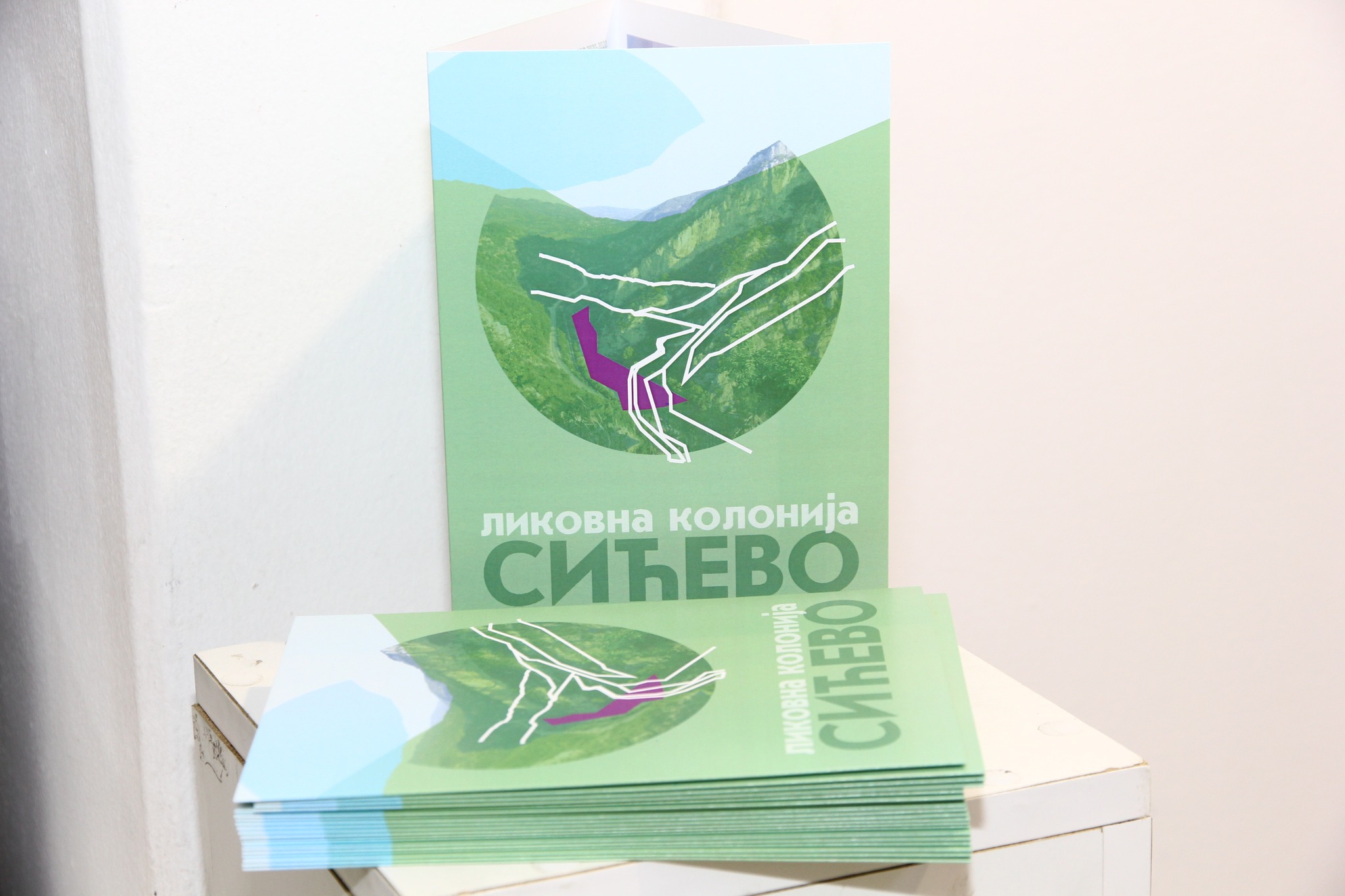
„Графичка радионица  Сићево“ је престижна међународна уметничка манифестација која се сваке године одржава у прелепом амбијенту села Сићева, смештеног у Сићевачкој клисури надомак Ниша. Иако су прве иницијативе и опремање простора кренуле 2005. радионица је званично почела са радом наредне 2006. и од тада се одржава у континуитету већ пуне две деценије. Манифестација је пре свега фокусирана на очување традиције графичке уметности, али и на праћење савремених токова и иновација у графичком отиску. Радионица је смештена у згради старе школе у Сићеву – истом простору у коме се одржава Ликовна колонија „Сићево“. Уметницима је на располагању професионална преса за дубоку и сито штампу. Током 20 година постојања, формиран је импозантан фонд графика који данас броји 200 радова изузетне уметничке вредности. У радионици је стварало око 90 уметника. Поред најзначајнијих имена домаће графичке сцене, Сићево редовно угошћује ауторе из целог света од региона (Словенија, Македонија ) и Европе (Италија, Бугарска, Белгија, Пољска, Данска) па све до Канаде, Америке, Мексика. Радионица функционише по принципу резиденционалног боравка где уметници размењују искуства, а део радова створених током боравка остају у власништву Галерије савремене ликовне уметности Ниш. Изложба радова насталих у радионици организује се наредне године у Павиљону нишке Тврђаве.

Андреа Морачанин (Краљево, 1995) основне (2018) и мастер (2019) студије завршила је на Факултету ликовних уметности у Београду, на Сликарском одсеку у класи проф. Добрице Бисенића. Тренутно је на докторским студијама Графичког одсека ФЛУ, под менторством проф. Владимира Милановића. Током студија била је корисник стипендија Министарства омладине и спорта и Министарства просвете, науке и технолошког развоја. Приредила је две самосталне изложбе: „Средиште“ у ГСЛУ Ниш (2025) и „Displaced Images” у Продајној галерији „Београд“ (2025) и учествовала на преко двадесет групних изложби у земљи и иностранству (Француска, Белгија, Јужна Кореја, Пољска, Румунија). Током 2022. године боравила је на Академији ликовних уметности у Гдањску, у оквиру пројекта „Start in Gdansk” где је завршила курс литографије. 2024. године путем Еразмус+ пројекта проводи два месеца на стручној пракси у Паризу, као асистент штампе у Атељеу Мајкл Вулворт (Atelier Michael Woolworth). Носилац је сертификата Арт Терапије у оквиру пројекта „Mad Balkans – transforming psychiatry through art“ у организацији Удружења Простор из Београда и Осло Метрополитан Универзитета. Запослена је на Факултету ликовних уметности у Београду, на позицији уметничког сарадника.

Јелена Симић своје школовање  започиње похађањем средње Уметничке школе у Нишу у периоду од 2010 – 2014. године. Као ученик Уметничке школе учествовала је у многим волонтерским организацијама. У жељи да настави своје усавршавање, 2016. године уписује Факултет уметности у Нишу у класи професора мр Братислава Башића. Мастер студије на Факултету уметности у Нишу завршила 2021. године Тренутно је докторанд четврте године под менторством др ум. Анице Радошевић Бабић. Члан је УЛУС-а од 2024. године, и члан СУЛУВ-а од 2025.године.  Самостално излагала девет пута у Нишу, Београду, Врању, Опову, Новом Саду, Врбасу, Пироту. Учествовала на колективним изложбама у земљи више пута. Ради у Галерији Савремене Ликовне Уметности у Нишу.

Ана Марија Јуревич  /Аnna Мaria Јurewicz, Пољска/ дипломирала је на Академији ликовних уметности у Лођу 2007. године у сликарској класи професора М. Давидзјука, као и у графичкој класи смер дрворез професора А.М. Барчака и атељеу за папир професорке Еве Латковске-Жичке. Од 2010. године води класу за цртање и сликање у Средњој школи ликовних уметности „Станислав Виспјански“ у Томашову Мазовјецком. Учествовала је на десетинама групних изложби у Пољској и иностранству, а имала је и девет самосталних изложби у Пољској.

Маржена Лукашук /Marzena Lukaszuk, Пољска / од 2000. до 2005. године студирала на Академији лепих уметности и дизајна Стшемински у Лођи. Дипломирала је 2005. у Студију за технике дрвореза код проф. Анђеј Барчак, као и у класи проф. Еве Латковске Жихска, за израду папира као и на сликарској класи код проф. Маријан Кепински. Од 2006. до 2016. била је асистенткиња код проф. Зжислава Олејничака у класи за цртање Академији уметности. Докторирала је ликовну уметност 2014. и од  тада води класу за технике цртања и илустрације на Академији лепих уметности. Учествовала је на многим националним и међународним изложбама, аукцијама, такмичењима у Пољској и иностранству. Бави се сликарством, графиком, илустрацијом и цртањем.

Џошуа Орзбурн /Joshua Orsburn, САД/  је стекао диплому основних студија уметности (BFA) на Универзитету Тексаса у Остину 2016. године. Касније се преселио у Нови Мексико како би завршио програм обуке за штампаре на Институту Тамаринд у Албукеркију. Након обуке, обављао је праксу у издавачкој кући Лендфол Прес у Санта Феу (која је прерасла у издавачку кућу Блек Рок Едишнс), где је на крају три године радио као главни штампар у студију. Године 2022. основао је Блу Бој Прес, графички студио са седиштем у Новом Мексику, специјализован за колаборативну штампу и издаваштво по уговору. Као део своје текуће праксе, радио је као главни штампар за познату уметницу америчких староседелаца Џон Квик-То-Си Смит, улога која му омогућава да споји своје вештине колаборативне штампе са пројектима које води заједница.


ЈАВНИ КОНКУРС ЗА ИЗЛАГАЊЕ ТОКОМ 2027.

ГАЛЕРИЈА САВРЕМЕНЕ ЛИКОВНЕ УМЕТНОСТИ НИШ

ОГЛАШАВА

Ј А В Н И       К О Н К У Р С

ЗА ИЗЛАГАЊЕ ТОКОМ 2027. ГОДИНЕ У ИЗЛОЖБЕНИМ ПРОСТОРИМА

- Павиљон у Тврђави (220м2) за 7 термина током године

- Салон 77 у Тврђави (64м2) за 8 термина током године

Конкурсне пријаве могу да подносе академски образовани уметници, чланови удружења (УЛУС-а, УЛУПУДС-а...), остали већ афирмисани ликовни ствараоци који у Нишу нису самостално излагали последњих пет година, као и кустоси, историчари и теоретичари уметности са ауторским пројектима.

Пријава треба да садржи:

- кратку биографију;

- опис пројекта односно изложбе;

- визуелну документацију (каталог, скице или фотографије дела која би излагали).

Конкурс је отворен до 23. јуна 2026. године.


Материјал за конкурс може се доставити поштом на адресу Кеј Кола српских сестара ½, 18000 Ниш или у електронском облику на e-mail адресу: konkursgslunis@gmail.com. Документацију слати у PDF (рreset:Web) формату.

Конкурсни материјал се не враћа.

Резултати конкурса биће објављени на сајту ГалеријеСЛУ Ниш www.gslunis.rs

најкасније до 1. августа.


MIRRJANA MIRA MAODUS

MIRJANA MIRA MAODUS RETROSPECTIVE EXHIBITION THE LIGHT OF MONPARNASSE OVER NISHAV

Officers' Dormitory, Tuesday, May 12, 7 p.m.

The SLU Niš Gallery invites you to the grand opening of the retrospective exhibition by Mirjana Mira Maoduš entitled The Light of Montparnasse over Nišava, which will be held on Tuesday, May 12 at 7 p.m. at the Officers' Dormitory.

Mirjana Mira Maoduš belongs to a group of artists who began their artistic journey by acquiring their first academic knowledge and skills outside the borders of our country, presenting their works mainly abroad, and after five decades of work confirmed by awards and recognitions, she continued to create in her studio in Belgrade, in the area to which she is linked by memories from her childhood and early youth. The author's rich oeuvre is part of numerous domestic and international gallery, museum and private collections. The retrospective exhibition in Niš, organized by the SLU Gallery and the Cultural Institution Gallery 73 Belgrade, is an opportunity to present the painter's works created from the late 1960s to the present day to the wider and professional public of this region.

Mira Maoduš was born during World War II in an Italian military camp in the Serbian town of Medak. She completed primary and secondary school in Belgrade, and acquired her first painting skills while studying at the School of Applied Arts in Frankfurt. Acquaintance with the German scene influenced the author's poetics, which expressed her emotions, inner unrest and socially engaged attitudes through the contrasts of bright colors. Training at the Academy in Venice (Accademia di belle arti) and contact with the Italian school of expressionism gave rise to the works she presented at her first solo exhibition in Verona in 1973. After completing her master's degree in art history in Milan, Mira Maoduš moved to Paris in search of new experiences, where she continued her studies of painting at the Academy (Ecole National Superieur des Beaux-arts), approaching the Fauvist understanding of art.

Mira Maoduš's developing artistic path was undoubtedly contributed by the cosmopolitan spirit and life circumstances, which, after studying and working in Italy and France, took her to Moscow, New York and Tokyo. Details from nature, landscapes, faces devoid of individuality and the atmosphere on the streets were the motifs that, as in the very beginning, occupied her attention, until her stay in Japan, a country that cherishes calligraphy as a traditional form of artistic expression, had a decisive influence on her further creativity. By creating her own calligraphy, encouraged by the correspondence between Van Gogh and Gauguin, she began to express her nature, spirit and emotions. At first, she transferred parts of verses by Rimbaud, Cocteau and other French poets to the canvas, and by conceptualizing a layered colored field, based on the experiences of the art of Lettrism, she built abstract compositions rich in visual and meaningful content, giving the picture a relief structure and plastic content.

In the nineties, the world began to look at her people differently. Driven by a patriotic need to right injustice, she began her struggle by sending a message through her art and her works. Without wanting to give her work a political context, she began to express her national pride and love for her country by painting canvases with the words and verses of Jovan Dučić, Đuro Jakšić, Vladislav Petković Dis, Pushkin and Yesenin. Over time, using red, blue and yellow along with black and white, she introduced letters into her works that lead to a sign, syllables that refer to a concept or idea, words from the Serbian or Russian languages, names that direct her to what moves her and what she strives for. Thus was born the Cyrillic cycle, which the artist, in her constant search for the answer to the question Who am I, continues to explore and refine, intending to follow contemporary tendencies and modern influences and express her devotion to her roots and heritage.

The exhibition at the Officers' House will be open to the public until May 31st.


RANKA RADOVANOVIĆ

DISTANCING

RANKA RADOVANOVIĆ

23. АПРИЛ - 19. МАЈ 2026
ПАВИЉОН У ТВРЂАВИ

(UN) NATURAL DISTANCE
The cycle of paintings by Belgrade artist Ranka Radovanović is called “Distancing”, as the paintings primarily depict interior segments that create a distance between man and nature. These scenes establish a boundary between the landscape and the large glass surfaces of the apartments through which we observe it. It feels as though the cold would rush in the moment a window was opened. Yet, this is not that pleasant morning chill one welcomes wrapped in a blanket with a cup of tea. The coldness in these oil paintings is almost metaphysical. The urban individual seeks to escape the nightmarish clamor of big cities and traffic, but only for a weekend, without the actual responsibilities and expenses that living in nature demands. He seeks an instant solution for happiness and health. One such solution is renting  luxury apartments in nature – being outside the city, yet still safely removed from mud, insects, and wild animals. A true return to nature is inseparable from a return to oneself, yet, few have
courage for such a challenge. The comfy “armchair traveler” is not ready for deprivation or selfdenial. The composition of Radovanović’s large-scale painting titled “Apartment II” is almost entirely occupied by a grey-black curtain, drawn just enough to reveal a sliver of a mountain in the mist. What fascinates in this painting is the materialization of something as aesthetically unexciting as grey curtain. The draped curtain is rendered so skillfully that one can almost feel the texture of the fabric under his fingertips.

The painting “Apartment I” is divided into two sections by a similar grey curtain. On one side are the forest and mountains, while the other features a turquoise couch with a chandelier and large glass surfaces through which the view extends. These misty scenes viewed through the glass of minimalist apartments instill a sense of unease, almost anxiety in a focused observer, probably because the landscape is confined, standing in direct contrast to the notion of the outdoors as a symbol of freedom and infinity. There is nothing in these interiors to suggest human presence—not a breadcrumb nor a candy wrapper; nothing individual or authentic, and thus, nothing essentially human. The painting “River”, from the “Distancing” cycle, also depicts a river›s flow through the large glass surfaces of an apartment. In Radovanović’s work, a range of grey tones is present both in her interiors and her depictions of the river. Grey is also dominant in the painting titled “Sun”. Likewise, within this context, we observe the contrast between the straight lines and right angles that define the interior space and the organic lines of the hills in the distance. The sun blinks faintly, bringing in only a touch of light without any real warmth.

If we are hit by nostalgia for a childhood spent at a grandmother’s countryside home, we look for warmth, love, and freedom in paintings of nature. Such concepts cannot be found in these works. This cycle of oil paintings by Ranka Radovanović visually conveys the extent to which we, as a civilization immersed in conformism, have become alienated from nature. The feeling that overwhelms us if we observe these paintings a little longer is one of an uncomfortable emptiness, void of words and emotions; the overall impression is deeply claustrophobic. The depictions on these paintings resemble generated interiors that artificial intelligence might offer if we requested the perfect image of a weekend getaway apartment for a businessman returning to the stock market by Monday. The observers cannot immerse themselves in or enjoy the scene, as they subconsciously feel there is no place for them there—they simply do not fit in. Everything in these oil paintings feels like an uncomfortable and ominous simulacrum of reality.

Dragana Garić Jovičić


Nikola Milanov

Nikola Milanov "Monologue of Emotions"
April 21. - May 10. 2026
Salon 77

Nikola Milanov’s solo exhibition, titled “Monologue of Emotions”, features a series of paintings and drawings that the artist began during his undergraduate studies and further expanded during his Master’s studies  t the Faculty of Arts in Niš. Intrigued by the question of human emotions and the impact of  the environment on their origin and transformation, the artist begins his research by studying personality psychology and re-examining his own being. In a series of portraits and self-portraits, implemented in oil on canvas and mixed media drawing, the artist has turned the emotions of his subjects into various physical expressions to bring us closer to the manner the individuals project their feelings onto the world around them. Fleeting
emotions are immortalized through gestures and distorted facial expressions; thus, expressions of surprise, helplessness, astonishment, and pain, as well as psychological and physical torture, are visible on the depicted faces.

Environmental influences, which are fundamental to creating these reactions, are depicted through red threads attached to the subjects’ eyes and mouths. These threads pull at the features in specific directions, suggesting an invisible force that shapes and controls their expressions. In some instances, the tension is stretched to its limit, prompting the subjects to furrow their brows or tilt their heads in an effort to resist these external pressures. In a number of works, the artist explores the theme of complete constraint, where thicker red lines appear to press firmly against the skin. This completely deprives them of movement, which is why their main means of expression become their eyes and mouth.

Throughout his works, the young artist illustrates how facial expressions serve as a mirror of the individuals′ internal state and the profound impact that society and the environment exert upon them.

Asst. Prof. Andrijana Golac-Čubrilo, PhD


Yugoslav period of the Sićevo Art Colony

Gračanica Cultural Center
Priština Art Gallery

April 2 - 22, 2026

The rich cultural and historical heritage of the Sićevo region, picturesque landscapes, untouched nature and centuries-old viticulture tradition are a challenge and inspiration for researchers, scientists, artists, and adventurers. Directly above the gorge through which the Nišava River flows between the northern branches of the Suva River and the southern slopes of the Svrljiška Mountains, is located Sićevo, a village with characteristic architecture, a Mediterranean climate, and friendly and sociable hosts. It was the place of the first gathering, residence and work of artists in nature in the Balkans. In Sićevo, the famous painter Nadežda Petrović, driven by patriotism, the ideal of cultural unity and community of the South Slavs, founded the First Yugoslav Art Colony with colleagues from Slovenia and Croatia, the forerunner of today's Sićevo Art Colony.

During the nineteenth century, artists throughout Europe, defying academic clichés, abandoned studios and urban spaces and unitedly returned to nature and rural life. Nadežda Petrović gained her first knowledge of such artistic experiments during her studies with Julius Exter in Germany and during her meeting with Adolf Helzer and Ludwig Dill, representatives of the famous New Dachau colony near Munich, and they undoubtedly convinced the young painter that the art of the flower should be inspired by nature, freedom and the people among whom the artist lives and creates. Two years later, during the First Yugoslav Art Exhibition in Belgrade in September 1904, she presented with particular enthusiasm her idea of ​​establishing the First Yugoslav Art Colony, which increasingly became the subject of conversation at gatherings in the Petrović home.

Just as Nadežda Petrović's work cannot be separated from the context of a pronounced spirit of freedom, the unification of the people, and social and political engagement as a whole, the idea of ​​a colony that should study the interior of Serbia for three months, collecting and recording interesting landscapes, costumes, folk ornaments, types, and scenes from the life of our people, should be viewed through the prism of the historical moment and the national enthusiasm that prevailed after the withdrawal of the Ottomans and the liberation of the country. In the spirit of the emerging new century, the returned territories, the renewal and revival of the country, the south of Serbia began to develop and modernize, a railway connecting Belgrade and Niš passed through the gorge (1884), and the construction of the Sveta Petka hydroelectric power station was planned. In the atmosphere of general progress and industrialization, guided by optimism and impressions of earlier visits to Sićevo, she associated this place with the idea of ​​a colony and in the summer of 1905 made it the Balkan Barbizon. Printed sources reported that on the last day of July, Nadežda Petrović and Fedro Vesel arrived in Sićevo, later Paško Vučetić, Rihard Jakopić and Grohar, and Branko Popović, a painter, art critic, and professor of art history at the Technical Faculty in Belgrade, also stayed there for a few short periods, while the presence of Emanuel Vidović and Ivan Meštrović, who possibly joined later, remains questionable. In support of this, without diminishing the importance of their support, there are statements and statements by the teacher that the painter, whom she had hosted in her home, came to the village with the Slovenes immediately after the end of the school year in early July and that they stayed there until the end of August, only she (Nadežda) stayed for a few more days, until the beginning of September. One of the residents of Sićevo, Blagoje Pavlović, described the artists housed in rural households as sociable and friendly, frequent guests at celebrations, weddings and afternoon carols. Every day, they toured the surroundings and the banks of the Nišava with easels and necessary equipment, and they also visited the more distant Pirot. However, Nadežda was most occupied with paintings and the desire to get to know the surroundings as much as possible.

The exhibition of the Yugoslav Art Colony was organized on January 27, 1907 at the National Museum in Belgrade and, like the colony, was controversially evaluated: from the fact that it displayed works in the most modern genre to a large number of negative reviews, motivated by political reasons or a conflict between the participants of the colony and the Association of Yugoslav Artists Lada. The idea of ​​a reunion in a village in the south of the country, of educational, educational and general cultural significance and role, was not realized due to historical circumstances. The annexation of Bosnia and Herzegovina, the Balkan Wars and the Great War thwarted Nadezhda's conviction that the united Yugoslavs would create their own permanent exhibitions, their own school and their own history of art. That had to wait for another time. However, as a lasting national value, created in contact with the people and nature, Nadezhda's paintings of landscapes and portraits remain, such as The Funeral in Sićevo, Women with a Red Scarf, Two Peasants, then The Girl from Sićevo, Serbia, The Host... In the spirit of impressionism, announcing the emerging expressionism, they introduced Serbia into European artistic trends, so, according to Ljubica Miljković, an art historian, thanks to Nadezhda, and perhaps to a lesser extent to Sićevo, our painting for the first time kept pace with European art and enriched the European artistic treasury with its own unique value.

ima.

These events from the beginning of the century occupy an important place in the history of national art, and Sićevo is mapped as a significant art center. Later, sporadically between the two world wars, predominantly in the 1950s, colonies were founded throughout Vojvodina and Croatia, so, as expected, in Niš, along with economic, socio-economic and cultural development, there was a need, and to some extent an obligation, to restore the legacy that Nadežda Petrovića bequeathed to this area. Artists, journalists, cultural and public workers, gathered in formal bodies, after the initial initiative for its establishment, agreed that, following the example of the First Yugoslav and the values ​​it represented, the new colony should retain the Yugoslav concept, that in addition to the two participants from Niš, two from each republic and one from the province should be invited, that it should be visual in nature, and that its work should include painters, graphic artists, and sculptors. The Sićevo Art Colony was officially founded in 1964 and has been held continuously for over six decades at the end of summer each year.

In addition to working together in a natural environment, exchanging ideas, gaining new experiences and socializing, the beneficial effects of this form of artistic activity were already evident in the first years, as evidenced by numerous events in the city's art life, the interest of the professional public and the media, the more active participation of Niš artists in exhibitions and reviews in the country and abroad, and the affirmation of the local art scene.16 During the first six convocations, 88 works of art were created, which are now the heritage of the National Museum of Niš. Challenges in terms of material, accommodation and organizational problems threatened to thwart the enthusiasm and desire of Niš artists for Sićevo to survive, indicating the necessity of an institution dedicated to nurturing contemporary visual creativity, realizing the colony, forming a fund, caring for the works, their presentation and study. Thus, among other things, thanks to the colony, the Gallery of Contemporary Fine Arts Niš was founded on June 9, 1970. Since then, 560 domestic and foreign artists of different generations and styles have participated in the work of this public city event of an international nature, the work of which is decided by the Council appointed by the City Assembly of Niš. Staying in an authentic rural setting, surrounded by rocks, magical landscapes and sumptuous colors, unlimited in thematic and motif sense, they enriched the institution's collection with 950 paintings, graphics, new media and sculptures, which represent a lasting value and are a significant cultural heritage of the city. With occasional short-lived attempts to introduce innovations such as the participation of art critics, later the function of selectors, and perhaps most importantly – redemption prizes, Sićevo has retained its artistic character. Social and political circumstances, wars and the breakup of the country influenced the concept in terms of the weak response of artists from the former republics, especially Slovenia and Croatia, so that in the 2000s the circle of countries from which participants come was greatly expanded. The celebration of 120 years since the founding of the First Yugoslav Art Colony was an opportunity to gain insight into the rich, carefully formed collection from the 1970s to the present day, to point out the significance of the artistic undertaking of that time and in the context of the wider cultural space, tradition, social and political circumstances, to see its influence on contemporary artistic thinking, understandings of fine arts and echoes in creativity. Accordingly, the concept of the exhibition at the Pristina Art Gallery in Gračanica reflects the idea of ​​unity and Yugoslavism through a selection of paintings and sculptures created during the first thirty or so convocations, i.e. during the existence of Yugoslavia and the participation of artists from the former republics. It is also a period of dynamic developments on the international art scene, which, in addition to classical media, records the existence of several parallel trends, innovative phenomena and interests in abstract, minimal and conceptual art, systemic painting and greater use of contemporary media, photography and video through which authors express personal views, criticize current socio-political reality and point to existential problems. Such tendencies were also present in our country, so that the openness to the world of the 1980s, exhibitions of world art in Belgrade and studio training abroad brought our creators closer to contemporary visual events and trends.

Artists from Serbia, Macedonia, and Slovenia enjoyed the freedom and work under the open sky, so they were encouraged by the surroundings, the Sićevačka landscape, the beauty of the gorge, rocks, and the sumptuous palette of colors, and they wove their own impressions and visual sensations, each in their own unique way, applying individual artistic expression, into their works (Milenko Šerban, Mihajlo Petrov, Stojan Trumić, Čedomir Krstić, Boža Ilić, Stojko Stojković, Miroslav Anđelković, Perica Donkov, Velizar Krstić, Miodrag Protić, Momčilo Antonović, Kosta Bradić, Rada Selaković). For some authors, the rich cultural and historical heritage of this region served as a starting point for research and expression of personal reflections (Ivan Tabaković, Bata Mihailovi

ć), the dialogue of nature with historical and artistic heritage (Mladen Srbinović, Čedomir Vasić, Tomaž Kržišnik) or, by questioning their inner worlds, they introduced a dose of mysticism into idyllic landscapes (Bojan Bem, Ređep Feri) and imaginatively, almost dreamily, indulged in the world of fairy tales and mythology (Radomir Reljić). For some, Sićevo was an opportunity to express their own preoccupation and critical attitude towards social and socio-political circumstances in a new environment, without communicating the impressions of their immediate surroundings (Mića Popović, Zoran Pavlović), a rational and analytical approach in the spirit of new geometry (Stojan Ćelić, Bora Iljovski, Borko Lazeski) or expressive representations of the experienced (Velizar Krstić, Petar Mazev).

Like painting, the development of sculptural thought in our country in the second half of the twentieth century, marked by the diffusion of styles, the application of technological discoveries and the introduction of new materials into sculptural practice, was in line with the then circumstances in the world and in terms of the stylistic and formal division into figurative and abstract, or associative sculpture, with the parallel existence of numerous subgroups and sub-trends, it followed global trends.18 This, taking into account the fact that the Gallery's Collection of Contemporary Sculpture, with mainly represented works by artists from the former republics, provides a modest contribution to the understanding of the development of various phenomena in sculpture in these regions, is evidenced by the exhibited works by sculptors from Serbia, Bosnia and Herzegovina and Slovenia, created during the 1970s and 1980s. Forming mainly in traditional materials, within the framework of figuration, they found their expression in classical anatomical (Aleksandar Šakić, Viljem Jakopin) or archetypal forms (Nikola Antov), ​​skillfully combining forms within the framework of geometric stylization (Momčilo Krković) or suggestively breaking down the classical view of sculpture while experimenting with more contemporary materials (Olga Milić) to the display of reduced associative forms (Ivan Felker, Dušan Donkov, Nikola Njirić).

This exhibition provides an insight into a smaller part of the collection of the SLU Niš Gallery, valuable in artistic, historical and aesthetic terms, formed thanks to the Sićevo Art Colony until the 2000s. It indicates the layered movements in art of the second half of the twentieth century and bears witness to new phenomena, contemporary aspirations and modern tendencies. Heterogeneous in visual expression, research approaches and reflections, in the context of the time and environment in which they were created, without limitations in the thematic and motif sense, the presented works depict individual artistic styles, narrative codes, transposed attitudes and interests. Given the scope and continuous enlargement, diversity in terms of the generational affiliation of the authors, the environments they come from, the media they cultivate, the ideas and themes that occupy them, the Sićev collection, in the light of current developments in visual art, provides an opportunity for various types of curatorial studies, analyses and comparisons. By presenting paintings and sculptures by prominent protagonists of the Yugoslav art scene, the impact of the unique cultural space and the importance that the Sićevci colony, which arose from the achievements of the First Yugoslav Art Colony, had in the second half of the twentieth century, has been seen to some extent. Its noble mission and value oblige us to preserve tradition, carefully select participants, adequately care for and preserve exhibits, and create opportunities for their presentation on a larger scale.

Emilija Ćoćić Bilić, Senior Curator


ZORAN PAVLOVIĆ: RETROSPECTIVE EXHIBITION

ZORAN PAVLOVIĆ: RETROSPECTIVE EXHIBITION, OFFICERS' HOME

On Tuesday, April 7, a retrospective exhibition of Zoran Pavlović (Skopje, 1931-Belgrade, 2006), an artist, historian and art theorist, art critic, essayist, author of television shows and series about art, and university professor, opened at the Officers' Home.

Zoran Pavlović's artistic development had several phases stemming from his preoccupation with certain spiritual content and ethical issues, reactions to certain historical events and life situations, and a consistency with abstract artistic expression. By organizing his first solo exhibition in Belgrade in 1959, immediately after graduating from the Academy of Fine Arts in the class of Professor Nedeljko Gvozdenović, Pavlović entered the art scene by presenting himself with works in the spirit of geometric abstraction, placing composition at the center of events and exploring the role of light, which would also be present in his later works. The author's self-examination and search for his own expression gradually brought him closer to Art Informel, in which he painted a series of works – collages, which were presented at a joint exhibition with Branislav Protić and Vladislav Todorović at the Museum of Applied Arts in 1961, and a year later, an apologetic exhibition entitled Art Informel – Young Belgrade Painters was organized by Professor Lazar Trifunović Trifunović at the Gallery of the Cultural Center Belgrade, where Zoran Pavlović, Branislav Protić, Vladislav Todorović and Živojin Turinski presented their work in the spirit of the new direction, attracting the attention and criticism of the wider and professional public.

The turning point in Zoran Pavlović's work, according to art critics, is the painting In Praise of Julián Grimo from 1963, dedicated to the executed revolutionary during the Spanish Civil War. Highlighting the subject matter on the black background, which he used in those years, the motif of the crucifixion appeared, to which the artist later often returned. Introducing narrative, symbolic content and figure into a balanced composition, the author entered the post-informal phase of new figuration. With this composition, the artist performed as part of the Yugoslav selection at the Biennale of Youth in Paris in 1963.

The seventies and eighties were marked by large-format works, expressiveness in color, more recognizable forms and more clearly defined figures on a dark background, from which light radiates. In the 1980s and 1990s, Pavlović painted a series of still lifes, only to be later brought back to the theme of the crucifixion by wars, mass suffering, the collapse of the country, anxiety and hopelessness. During this period, inspired by the prevailing atmosphere in society and the artist's personal feelings, a series of expressionist depictions of chairs resembling barber's, dentist's or torture chairs, but recognizable and placed in a realistic space, was created, which would foreshadow a later cycle of Procustica.

The 2000s brought innovations in visual expression. The works of a new character, gradually becoming more intense in color, with a background in a single, pure color resembling a poster, with expressive drawings with elements of pop art, were actually a picture of ironic reality and a mocking understanding of the moment, supported by the use of lettrism and depictions of birds of prey, beasts and kaleidoscopes.

The retrospective exhibition in Niš is an opportunity, two decades after he was no longer with us, to present the half-century development path of this prolific creator, who, with his artistic work and social engagement, significantly contributed to the formation of the Gallery of Contemporary Fine Arts Niš in 1970 and to the improvement of its work. The exhibition presents a selection of works from the private property of the Pavlović family, created in the period from the sixties to the two thousandths.

Of particular value are the paintings from Zoran Pavlović's early, youthful phase, which have not been presented in retrospective exhibitions until now. They testify to his initial interest in the figure and geometric form, which later, by actively entering the art scene and freeing himself from the influence of educational dogmas, pushed the author into the world of abstraction and informel, only to continue his creative path by researching the field of new figuration, and finally, by allegorically presenting historical events and themes from the history of art, applying non-painting materials in the creation of paintings and objects, completing the cycle of continuous painting work.

During his fruitful and rich career, Zoran Pavlović organized a large number of solo and group exhibitions in the country and abroad. The rich opus of the creator, the subject of study by numerous curators and critics, includes thousands of paintings and drawings, which are part of gallery collections and museum collections throughout the country. His works of applied art adorn public spaces in Belgrade, Novi Sad, Kraljevo and Pirot. Pavlović is a winner of prestigious awards for his work. During his life in Niš, he presented himself three times (1968, 1981, 1988), was a participant in collective exhibitions and two convocations of the Art Colony Sićevo (1964, 1971). The collection of the Gallery of Contemporary Art Niš contains four of his works.

The exhibition will be open to the public until May 5th.

https://youtu.be/7xqJsWTNJNY?si=V5Z8rak0MZQhi6cQ


"Searching for the Homeland" by Zdravko Mirčeta

On Thursday, April 2nd, starting at 7 p.m., the opening of the exhibition "Searching for Homeland" by Zdravko Mirčeta will take place in the Pavilion in the Fortress. The exhibition consists of paintings from the artist's recent work.

Zdravko Mirčeta was born in 1951 in Miočić, Dalmatia. He graduated from the School of Arts and Crafts in Zagreb. He graduated in 1978 from the Department of Graphic Design at the Academy of Arts in Zagreb.

In addition to his fine art, he has also achieved notable results in the fields of graphic design, television and theater set design, and heraldry. He has designed a large number of posters, newspapers, literary publications, and other printed publications. He has received several awards for his work.

He exhibited in many cities of Yugoslavia and Serbia (Šibenik, Split, Benkovac, Zagreb, Varaždin, Knin, Dubrovnik, Trebinje, Banja Luka, Laktasi, Belgrade, Lazarevci, Kragujevac, Niš, Požarevac, Apatin, Raška), as well as abroad (Essen/ Germany; Dijon/France; Stockholm/Sweden...). He has the status of an independent artist. He lives and works in Belgrade and Stockholm.

The exhibition in Niš, since it is based on the latest paintings of Zdravko Mirčeta, represents a striking cross-section of the current poetics of the artist who has been present on our art scene for decades. Genre-oriented towards landscape, these works are stylistically and formally moving around an imaginary line between the associative and the abstract, with a greater or lesser approximation to one or the other expression. The landscape is decoded by painting means into planes of interconnected organic forms or is sublimated to the level of connecting horizontal fields. The painted matter rests on the interaction of multi-layered painted surfaces and freely placed "sharp" lines that give the entire scene a constructivist structure. The degree of illusoryness grows at the expense of physical persuasiveness. The diversity of motifs causes expressive - creative amplitude, so the stroke varies from energetic and fast to calm and controlled, and the achieved atmosphere from dramatic to lyrically elegiac. In a word, the landscape is transformed into a complex emotional, symbolic and visual experience. The title of the cycle itself (Searching for Homeland) and the personal fate of the artist, who, due to the disintegration of the former country, was displaced from his own homeland (Dalmatian hinterland and Knin), allow the conclusion that these works, at their semantic level, imply a symbolic consideration of the issue of homeland as a cultural phenomenon and metaphorically testify to the fate of the displaced who, in their intimate emotional and thought code, strive to unite the two often opposed worlds that mark them. With the stroke of the brush, Zdravko Mirčet seems to symbolically record the dramaturgy of life.

The exhibition will run until April 21.